


The complete guide
Buying Guide
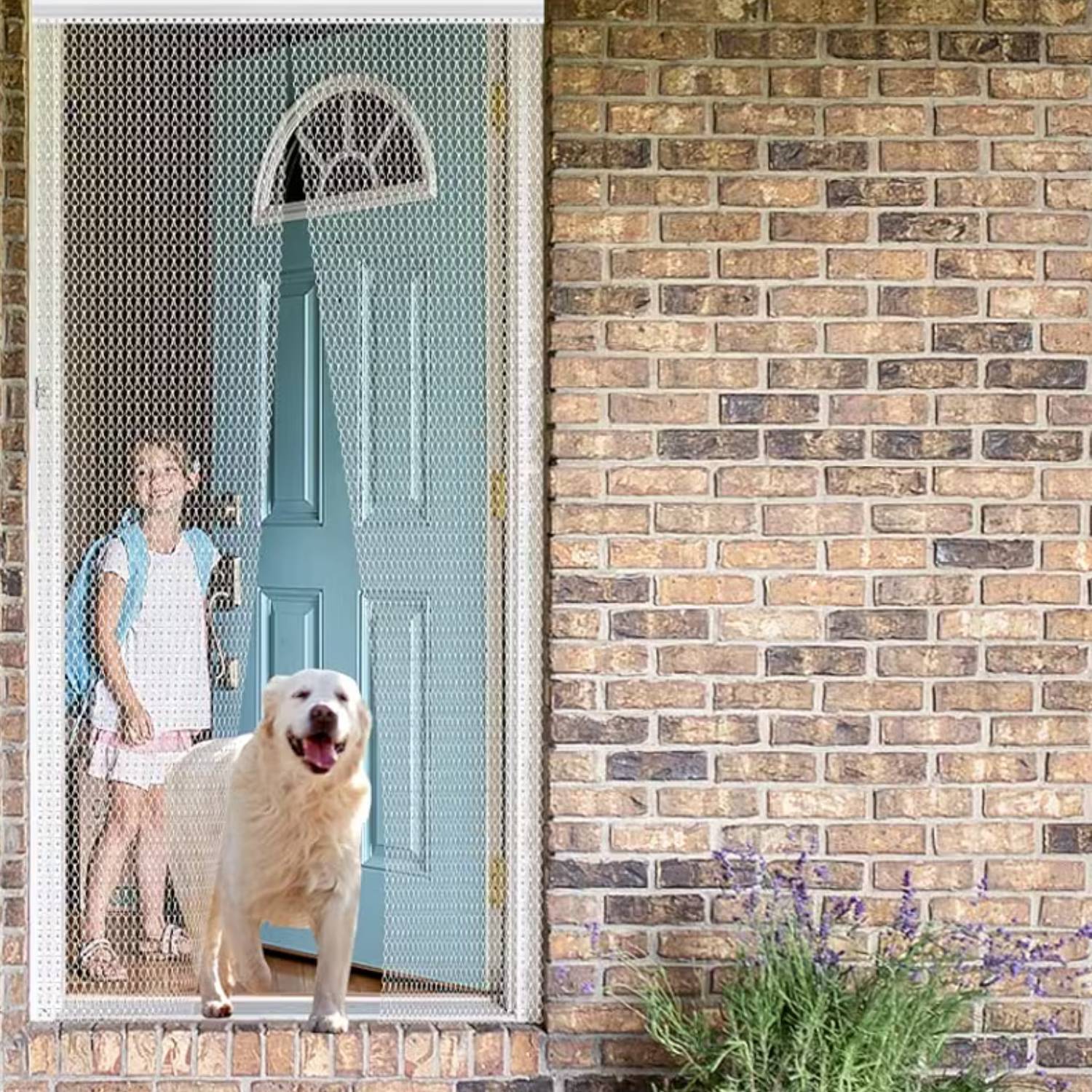
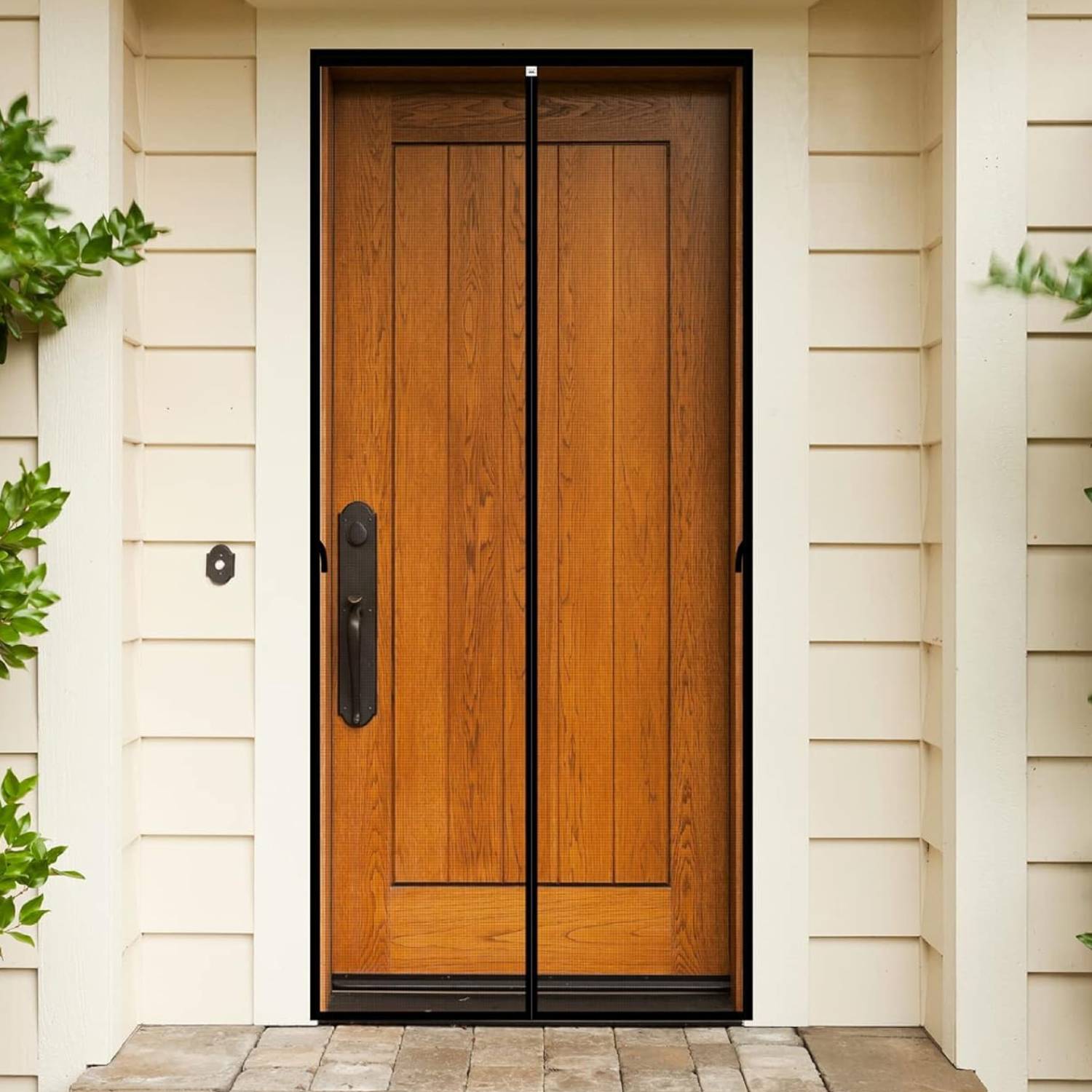
Fly chain curtain helps keeping flying insects out of your home whilst letting fresh air in
Quick to easy to install. The aluminium door fly screen does not get tangled & it is easy to walk through.
INCLUDES FREE DELIVERY ACROSS NEW ZEALAND ON ALL ORDERS $75+ or more - (Save $25)
- Smooth & Tangle free
SPECIFICATIONS
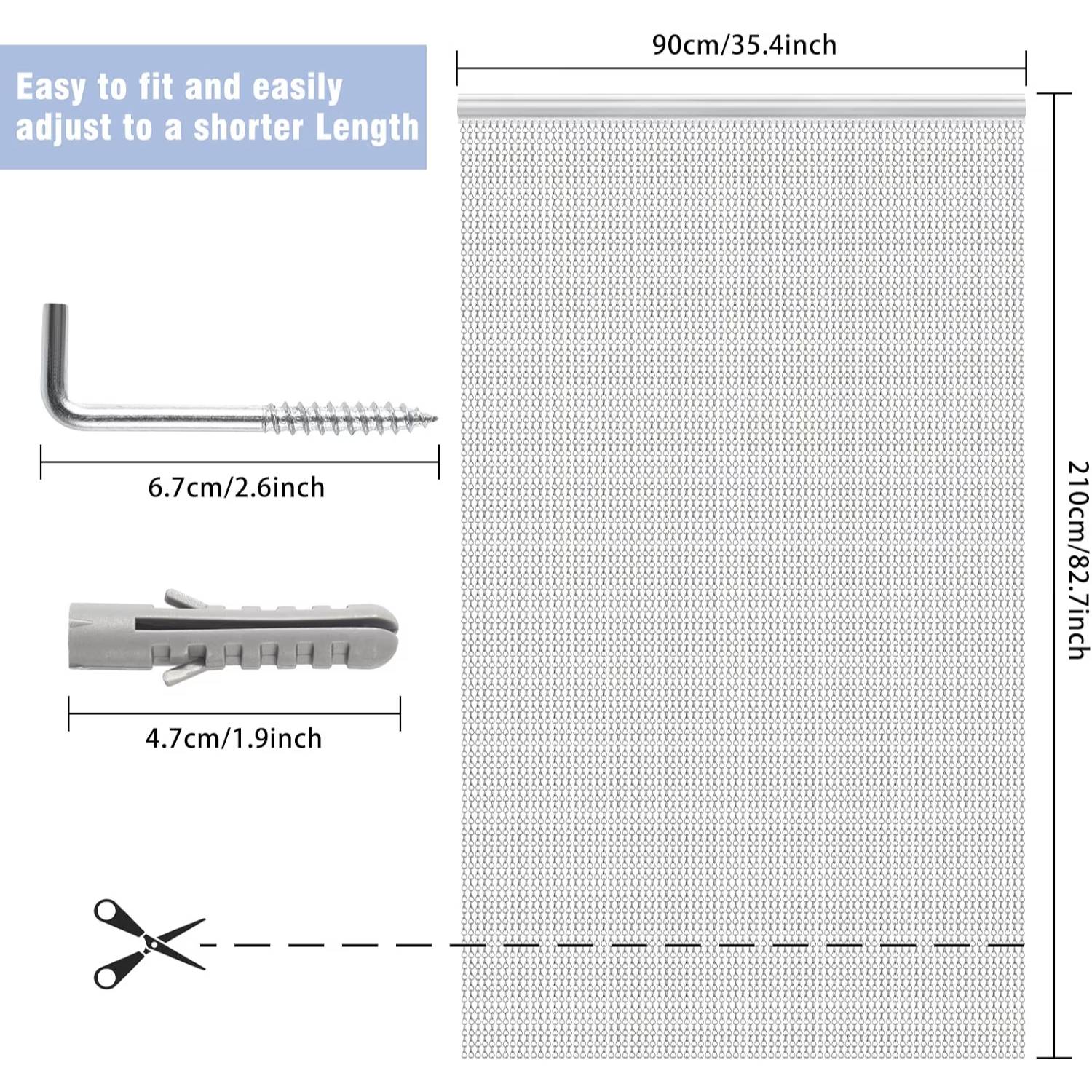
- Adjustable Length: Dimension: 90cm x 210cm
- Colour: Silver
- Chain: Made of 69pcs chain links
- Adjustable: Chain links can be removed and easily adjust to a shorter Length as required
ALLOW UP TO 7 WORKING DAYS FOR DELIVERY AFTER DISPATCH WITHIN 2 WORKING DAYS
Direct To Your Door - All Across New Zealand
Adjustable Length:
With dimensions measuring 90cm x 210cm & 100cm x 210cm this silver-colored curtain is equipped with 69pcs chain links that can be easily removed and adjusted to achieve the desired length, providing a customizable solution for different spaces.Chain Curtain Door Guide: Everything About Chain Fly Screens and Chain Fly Curtains
Chain curtain doors represent a unique and effective approach to insect control, using hanging chains instead of traditional mesh screening to create barriers that allow air circulation and easy passage while deterring flies and other flying insects from entering indoor spaces.
The hanging chains part easily when people walk through, immediately falling back into place creating continuous barriers without requiring manual operation or creating obstacles for workers carrying items. Understanding how chain curtain doors work, what materials and styles suit different applications, and how to select appropriate systems ensures you choose solutions that effectively address insect challenges while accommodating practical operational needs.
Understanding Chain Curtain Door Technology
Chain curtain doors use the simple yet effective principle of hanging overlapping vertical chains across doorway openings creating physical and visual barriers that discourage insect entry. Unlike solid barriers or mesh screens, chain curtains allow air and light to pass through while the movement and reflective properties of chains deter flies from crossing the threshold.
The effectiveness stems from multiple factors working together. The physical barrier created by closely-spaced chains makes passage difficult for insects. The movement of chains in air currents creates visual disturbances that many flying insects avoid instinctively. Reflective surfaces on metal or metallic-coated chains create light patterns that further discourage insect passage. The combination creates surprisingly effective barriers despite the openings between individual chains.
How Chain Fly Screens Work
Flying insects, particularly flies, prefer unobstructed paths and tend to avoid areas with visual complexity or movement. The chains hang close together creating dense visual barriers while air currents cause constant subtle movement that insects perceive as unstable or dangerous.
Types of Chain Curtain Materials
Decorative Chain Styles
Beyond functional chains, decorative options incorporate colored links, mixed materials, or artistic designs creating visually appealing curtains that serve aesthetic purposes alongside insect deterrence.
Chain Curtain Configurations and Designs
Chain fly screens come in various configurations optimized for different applications and performance requirements.
Standard Overlap Configurations
Traditional chain curtains hang individual chains close together with slight overlap creating continuous barriers. The spacing between chain attachment points determines how densely chains hang, affecting both insect deterrence and ease of passage. Closer spacing creates more effective insect barriers but may slightly impede movement, while wider spacing eases passage but potentially reduces effectiveness.
Weighted Bottom Chains
The weights combat wind effects and ensure chains maintain proper alignment rather than tangling or bunching.
Link Size and Style Variations
Chain link sizes range from fine, closely-linked chains creating dense visual barriers to larger, more open link patterns. Smaller links generally provide better insect deterrence while larger links create bolder aesthetic statements and allow better visibility and airflow.
Applications and Use Cases
Warehouse and Loading Dock Entrances
The curtains allow vehicle and foot traffic while preventing flies and flying insects from entering warehouse spaces.
Retail Store Entrances
Retail businesses in warm climates or during summer months use decorative chain curtains creating open, inviting storefronts while maintaining insect barriers.
Residential Applications
Homeowners install chain fly curtains on frequently-used doorways including kitchen doors to outdoor dining areas, garage entrances, or patio doors where traditional screens might interfere with traffic patterns or aesthetics. Residential applications often emphasize decorative chain options complementing home decor.
Benefits of Chain Fly Screens
Chain curtain doors offer multiple advantages making them preferred solutions for specific applications despite the availability of alternative insect barriers.
Hands-Free Operation
Walking through chain curtains requires no manual operation, handle turning, or conscious door management. Users simply walk through as chains part automatically and fall back into position.
Visibility and Light Transmission
Chain curtains allow visual awareness of areas beyond doorways unlike solid doors or opaque barriers.
Low Maintenance Requirements
Chain curtains require minimal maintenance beyond occasional cleaning.
Installation Process and Requirements
Installing chain fly curtains involves straightforward processes though attention to detail ensures optimal performance.
Measuring Doorway Openings
Accurate measurements determine appropriate curtain sizing. Measure opening width and height at multiple points accounting for any irregularities. Chain curtains should cover the entire opening with slight overlap beyond the frame ensuring complete coverage preventing insects from bypassing the barrier.
Mounting Hardware Options
Chain curtains attach using various mounting systems including overhead tracks from which chains hang, top rails spanning doorway widths with individual chain attachment points, or mounting plates securing to door frames or walls above openings.
Select mounting hardware appropriate for your installation surface, ensuring secure attachment capable of supporting the curtain weight without sagging or pulling away over time.
Installing the Mounting System
Secure mounting hardware to solid structural elements rather than just surface materials. Use appropriate fasteners for your surface type whether wood, concrete, metal, or other materials. Ensure level installation preventing curtains from hanging at angles that might compromise coverage or appearance.
Hanging the Chain Curtain
Attach individual chains to the mounting system according to manufacturer instructions. Verify that chains hang straight and do not tangle during installation.
Adjusting and Fine-Tuning
After installation, test passage through curtains ensuring chains part easily and return to position properly. Adjust chain lengths if necessary ensuring bottom ends hang uniformly at appropriate heights above floors. Add weights if wind or air currents disrupt proper hanging.
Maintenance and Cleaning
Inspecting for Damage
Check mounting hardware ensuring secure attachment without loosening. Address issues promptly preventing minor problems from becoming major failures.
Replacing Damaged Sections
Individual damaged chains can be replaced without removing entire curtains. Detach the affected chain from mounting hardware, install a replacement, and reattach to the mounting system.
Comparing Chain Curtains to Alternative Solutions
Chain Curtains Versus Mesh Screens
Traditional mesh screens provide more complete insect barriers than chain curtains, blocking smaller insects that might pass between chains. However, mesh screens require manual operation, deteriorate faster under heavy use, restrict airflow more significantly, and reduce visibility compared to chain alternatives.
Customization and Design Options
Chain fly curtains accommodate customization creating solutions matching specific functional and aesthetic requirements.
Custom Sizing
Custom sizing ensures proper coverage regardless of non-standard dimensions.
Color Selection
Colored chains including anodized aluminum or plastic chains in various hues allow aesthetic coordination with surrounding decor. Color choices range from subtle metallic tones to bold, vibrant colors creating design statements.
Mixed Material Designs
Combining different chain materials or colors within single curtains creates patterns or visual effects. Alternating colored chains might create stripes or other designs adding decorative elements to functional barriers.
Logo and Branding Integration
Some commercial applications incorporate business logos or text into chain curtain designs through colored chain arrangements or attached elements, creating branded insect barriers that serve marketing purposes alongside functional roles.
Performance in Different Climates
Climate conditions affect chain curtain performance and material selection considerations.
Coastal and Salt Air Exposure
Regular rinsing removes salt accumulation extending material life.
Cold Climate Considerations
While flies pose less concern in cold weather, chain curtains serve year-round in commercial settings.
Effectiveness and Limitations
Understanding what chain fly curtains can and cannot achieve ensures realistic expectations and appropriate application.
Insect Deterrence Versus Exclusion
While highly effective at reducing fly entry, determined insects can pass through gaps between chains. The deterrent effect proves adequate for most applications though situations requiring absolute insect exclusion need different solutions.
Species-Specific Effectiveness
Chain curtains work particularly well against larger flying insects like houseflies, but provide less protection against smaller insects like gnats or fruit flies that more easily navigate between chains. Understanding your specific insect challenges helps determine whether chain curtains suit your needs.
Safety Considerations
Chain curtain installations should consider safety factors ensuring they do not create hazards.
Fire Safety and Emergency Egress
Chain curtains must not impede emergency exit from buildings. The chains part easily allowing rapid passage during emergencies. Verify that installation complies with local fire codes and building regulations regarding emergency exits.
Trip Hazards
Chains should hang at appropriate heights preventing them from creating trip hazards. Typically chains hang several inches above floor level, high enough to avoid tripping while low enough to prevent insect passage beneath the curtain.
Visibility and Collision Prevention
While chain curtains allow visibility, ensuring adequate lighting and potentially adding visual markers helps prevent people from walking into curtains unexpectedly, particularly in commercial settings with customer traffic unfamiliar with the installation.
Cost Considerations and Value
Material Cost Factors
Basic plastic chain curtains provide the most economical entry point into this technology.
Installation Expenses
DIY installation saves on labor costs for handy individuals comfortable with basic tools and installations. Professional installation ensures proper mounting and optimal performance though it adds expense.